
Skip to content
Verdavis – Forst · Agrar · Analytik
Menu
Camera traps and population surveys

S-07 · Field and ground

Camera traps and population surveys

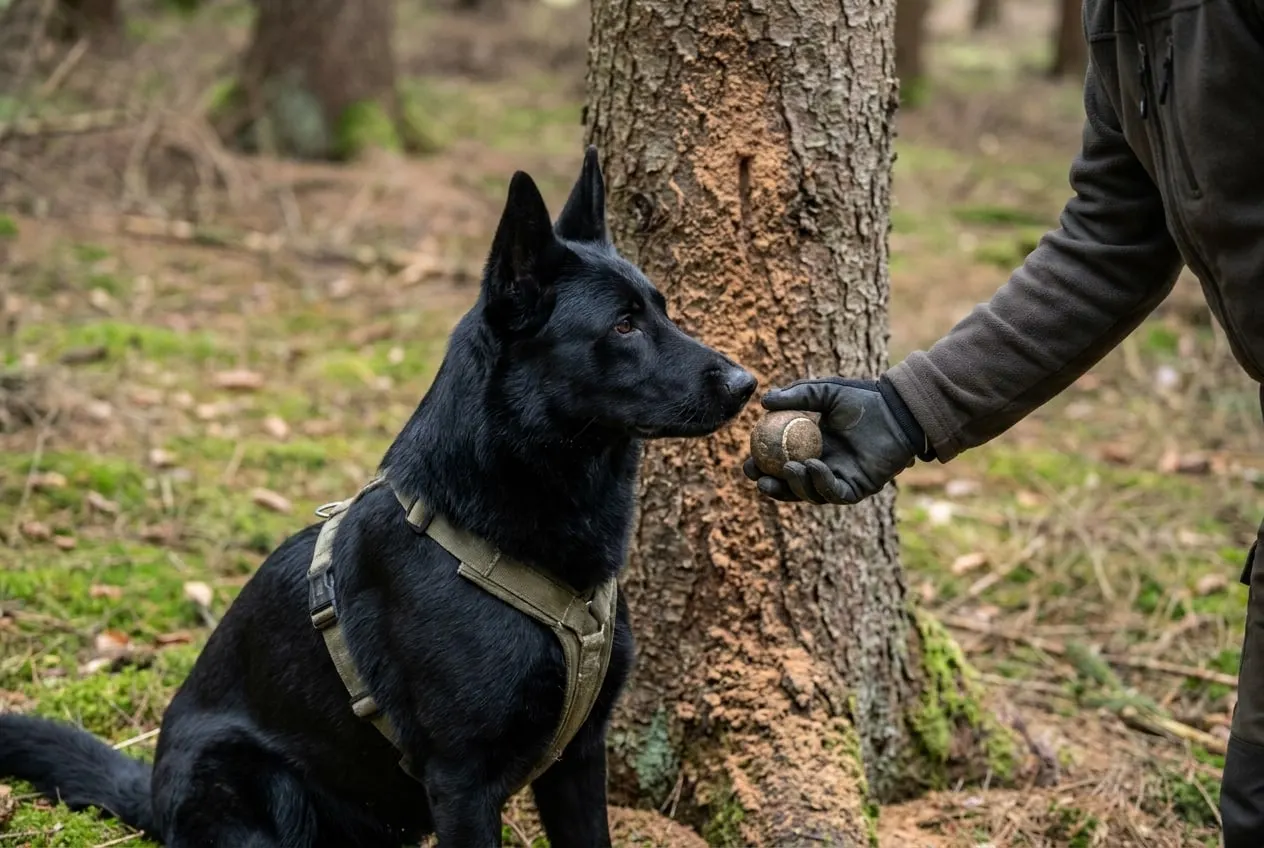
We record game populations and their effect on forest regeneration using camera traps, thermal counts and exclosure plots. For species monitoring, we add scat finds from our detection dogs.

Scope

  • Camera trap grid based on a sampling design
  • Image analysis with species ID per trigger
  • Exclosure plots with fenced comparison area
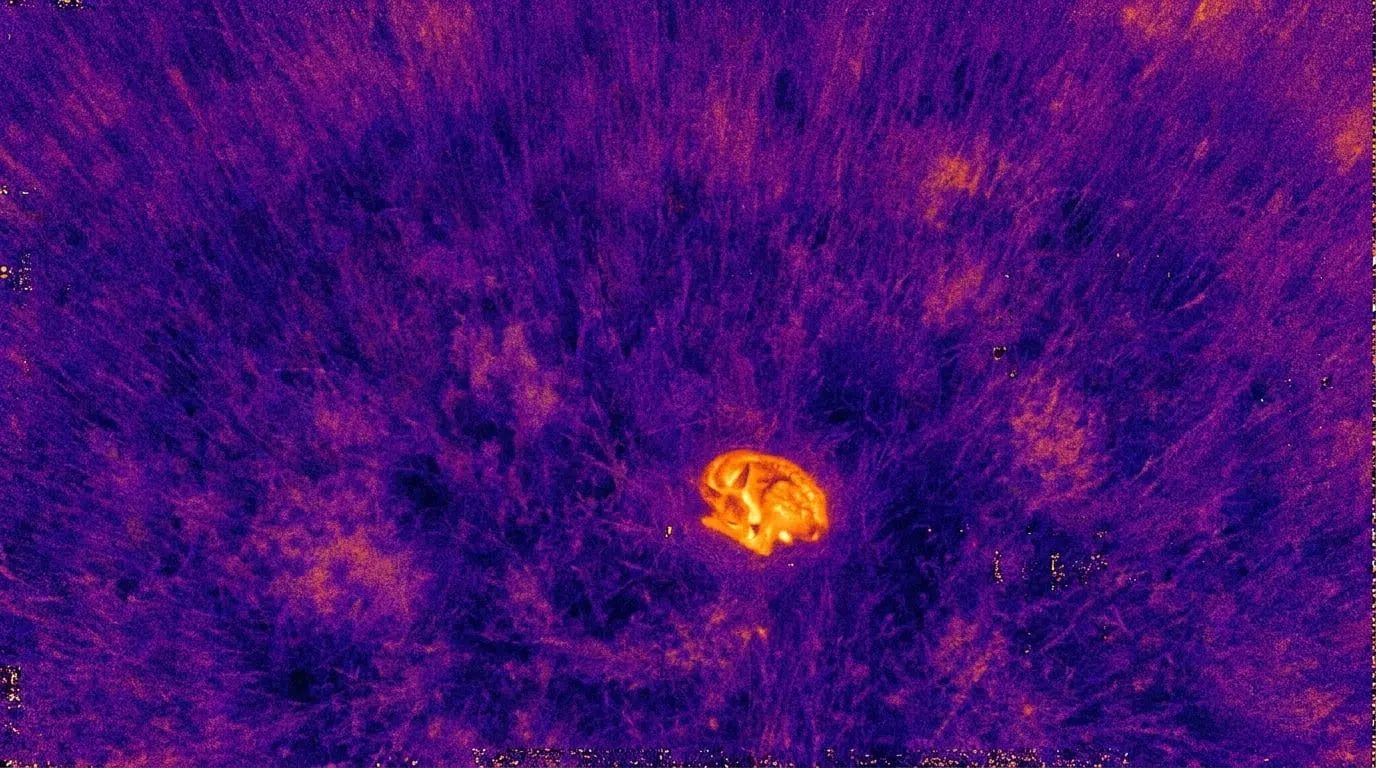
  • Night-time counts by thermal drone

Typical applications

  • Browsing surveys for cull planning
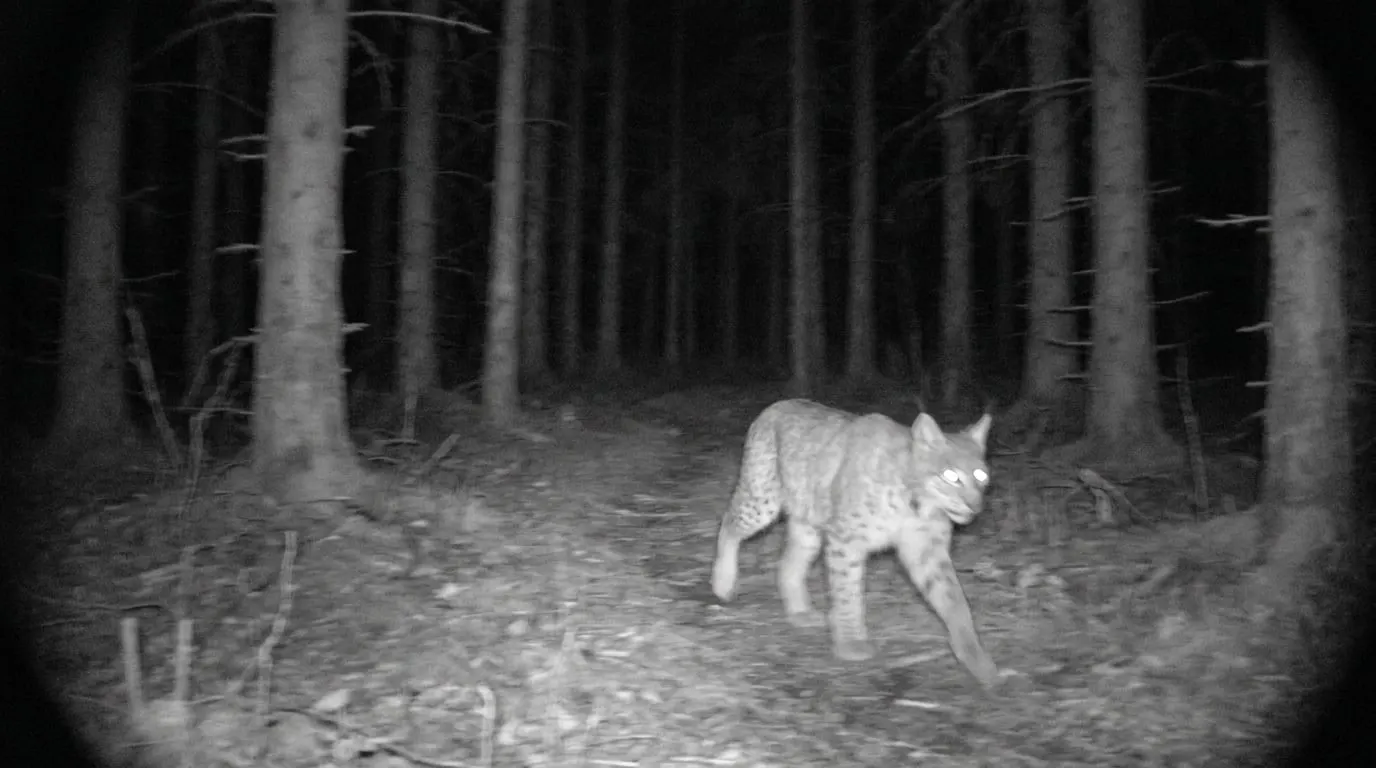
  • Evidence of lynx, wolf or wildcat
  • Game numbers before and after the season

Deliverables

  • Species list with triggers per location
  • Browsing rates by tree species and plot
  • Report with maps as PDF
Camera traps and population surveys 1
Camera traps and population surveys 2
Camera traps and population surveys 3

Methodology

How we carry out this service.

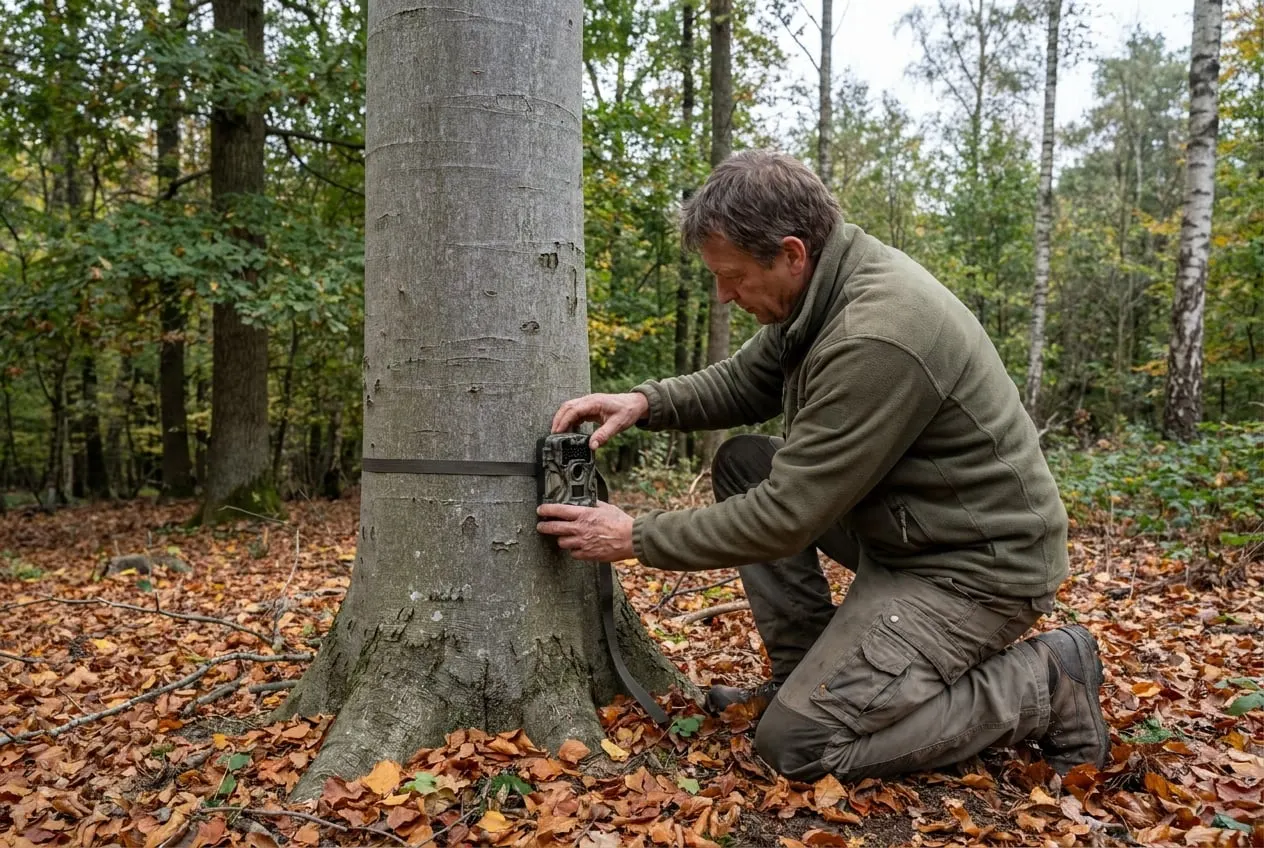
01Before installation, we place a sampling grid over the study area, usually with one camera per 50 to 100 ha. The camera traps are mounted at 50 to 80 cm without any lure and positioned so that paths and people are not in view where possible. Location, orientation and settings are recorded for every camera.

02Our field technicians check the cameras every three to four weeks, replace memory cards and batteries and test their function. Every trigger is identified by species, and records of rare species such as lynx or wildcat are confirmed by a second person. Images of people are deleted without further analysis.

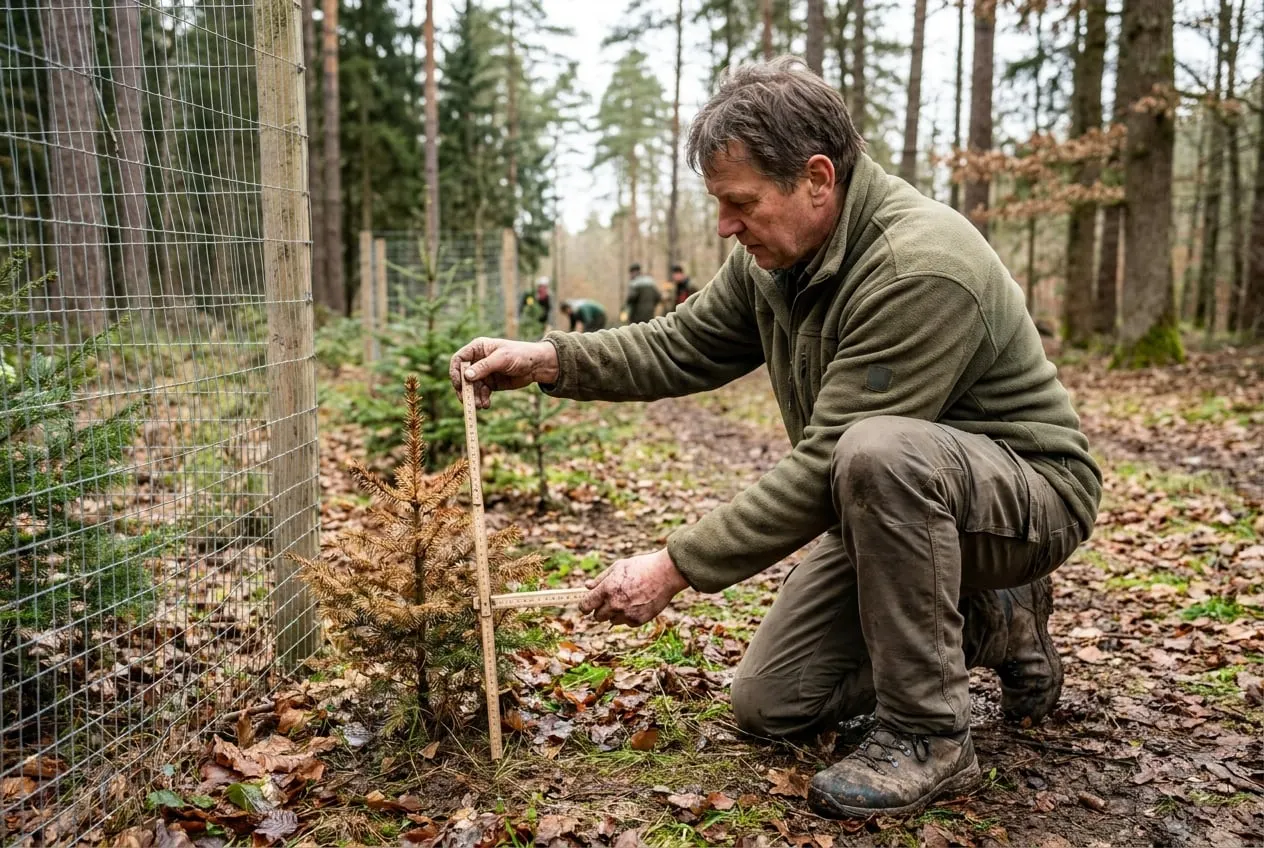
03For browsing surveys, we set up pairs of exclosure plots of 25 m² each and record regeneration by tree species, height and leader browsing. The assessment is repeated every spring before bud break. Thermal counts and scat finds from the detection dogs are also included in the assessment of game impact.

Quality and accreditation

  • Rare species identified under the four-eyes principle
  • Camera locations recorded with orientation and settings
  • Browsing assessment in the same window every year
  • Images of people deleted within 24 hours

Legal basis and permits

  • §General Data Protection Regulation (EU) 2016/679 for camera trap operation
  • §Federal Nature Conservation Act (BNatSchG) § 44, prohibitions for protected species
  • §Consent of the landowner and coordination with the hunting tenant

Deutschland EU Operating in Germany and the EU

Example assignments

e.g. 20 to 50 camera traps

Forest owners’ or game management association, Rhön and eastern Hesse

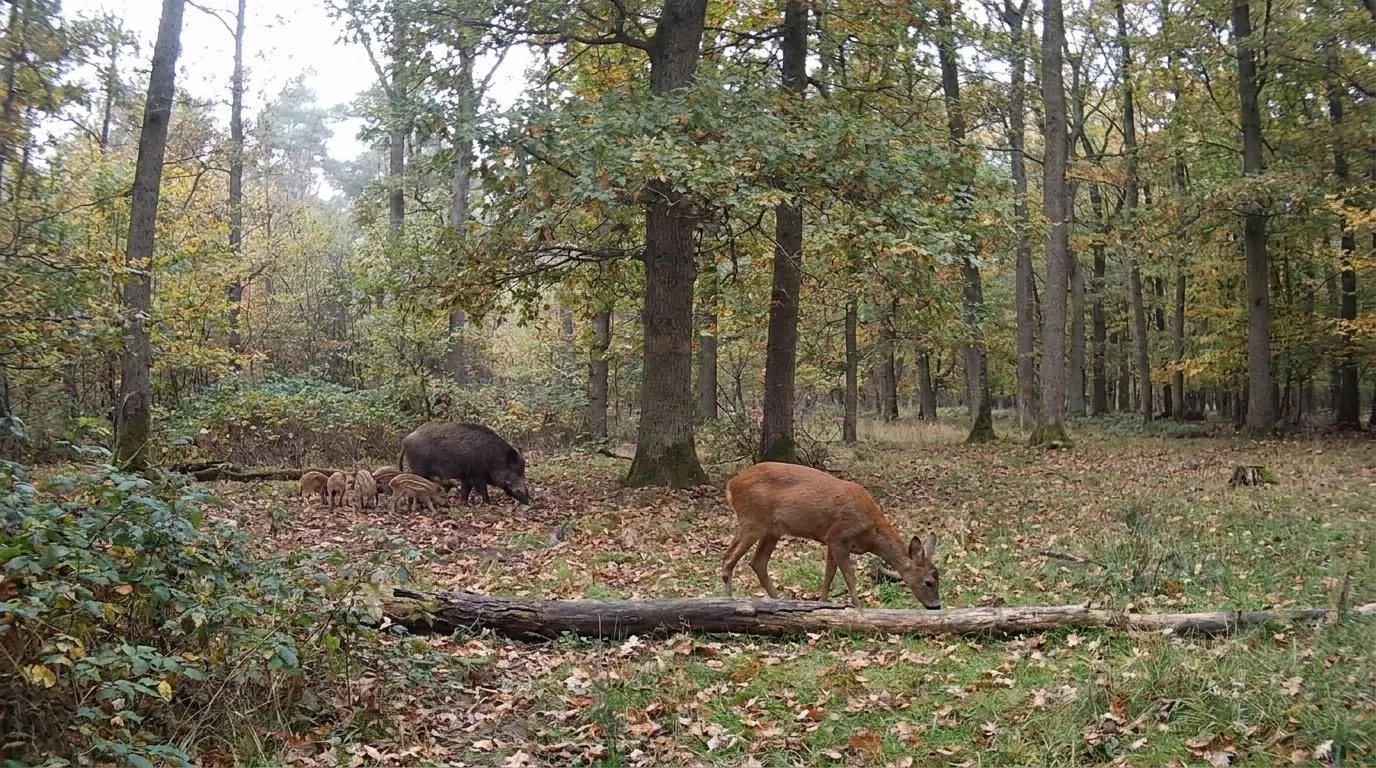
Population estimate for red and roe deer using a camera trap grid in sessions of 30 to 60 days. Records of rare species such as the wildcat are documented separately.
e.g. 10 to 30 pairs of exclosure plots

Municipal forest enterprise, Rhön and eastern Hesse

Browsing survey with an annual assessment in spring. The comparison of fenced and open plots shows the impact of game on regeneration.

The examples show typical procedures for this service.

Frequently asked questions

How does an exclosure plot work?

A small area is fenced and an equal-sized area next to it remains open. After a few years, the comparison shows how strongly game browsing affects regeneration.

Is it legal to set up camera traps in the forest?

Yes, with the owner’s consent. For data protection reasons, we position cameras so that paths and people are not captured where possible, and we delete images of people promptly.

How long should camera trap monitoring run?

For population estimates at least 30 to 60 days per session. To detect rare species such as lynx, we recommend several months or repeat sessions over years.

Enquire about this service

Tell us the area, location and time frame. You will receive an assessment within two working days.

Request a job →